
What is a token? Bitcoin, altcoins and stablecoins: the differences nobody explains well
12 Jun 2026
I remember that in our first days in crypto, everything sounded the same; token, cryptocurrency, altcoins… Aren’t they all the same? Sorry to say, they’re not. These are all pretty different, and we’re not going to lie: if you want to move around this very techy world, it helps a lot to know what each thing is. Getting it right from the start will save you confusion and bad decisions.
But you’re in luck, because even though they’re all different and important, we’re going to keep it simple, with no technical jargon or weird words, just the easy stuff you actually need to know where everything fits.
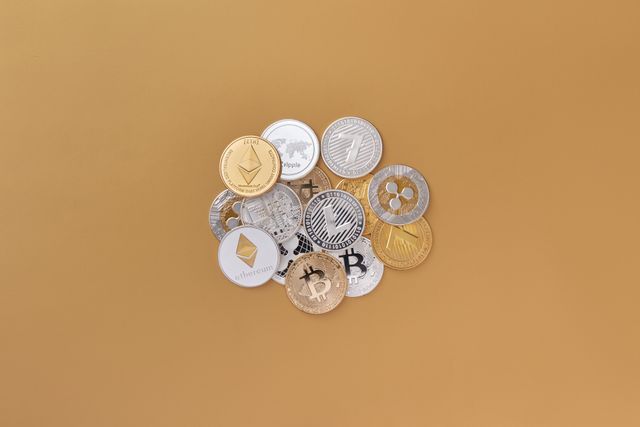
First things first: token, coin, or crypto?
We know a lot of people use these words as if they meant the same thing, but they don’t. And even if people on the street say “I bought a coin” or “I got into crypto,” it’s worth understanding the difference so you’re not buying blindly.
An easy way to look at it is this. First, don’t get tangled up in the words:
Bitcoin is a cryptocurrency: like digital money you can buy, store, or move as a digital asset.
Ethereum is another cryptocurrency, but it also works as a network where other tokens and applications live.
And tokens are assets that are created inside that network, like pieces that use the same infrastructure; for example, ETH and many other assets live within Ethereum’s ecosystem, while Bitcoin is the native asset of the Bitcoin network.
Stablecoins, on the other hand, are cryptos designed to keep their price more even, usually pegged to the dollar.
With that base covered, we can move on to Bitcoin, which was the first and still the best known.
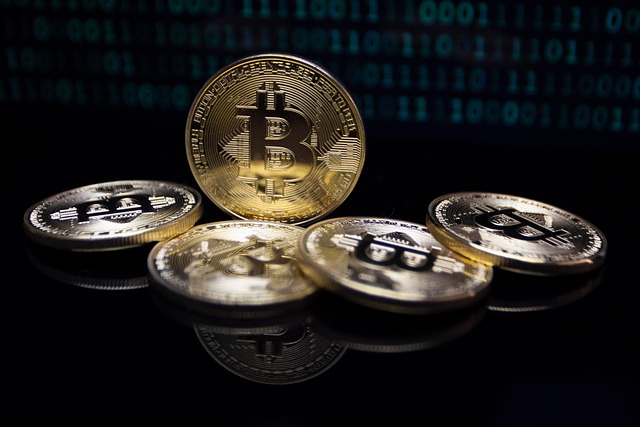
Bitcoin: the original crypto
It’s no secret that Bitcoin was the first cryptocurrency to achieve global adoption, and it remains the best-known asset in the ecosystem. It was born from a simple idea: allow value transfers without depending on a central bank or a single company.
That’s why many people call it “digital gold” in the crypto world. Not because it’s the same as gold, but because its role is usually more about storing value or getting exposure to the ecosystem than being a tool for everyday payments. Its supply is limited, and that’s what sets it apart from other cryptos that came later with different uses. Because yes, cryptocurrencies are not just for speculation; they have much more important uses.
Altcoins: everything that isn’t Bitcoin
Altcoin is another term you should have clear. When someone says “altcoin,” they’re really talking about any cryptocurrency that is an alternative to Bitcoin. That includes a bit of everything: decentralized projects, networks for smart contracts, governance tokens, and even assets created for specific functions.
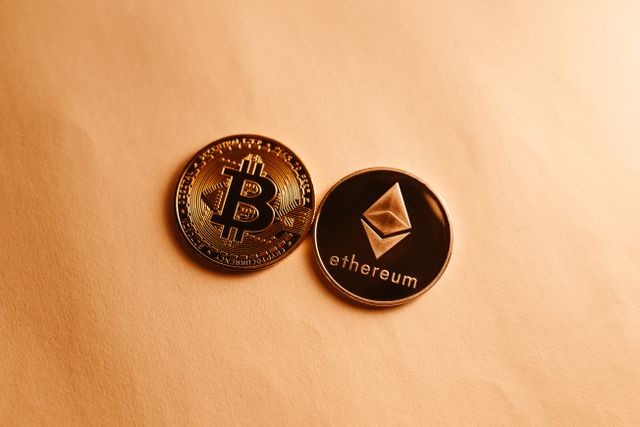
The key is not to lump everything together. Some altcoins have solid technology, others have very clear use cases, and some basically exist for the sake of existing. That’s why, before buying, it’s worth asking what the asset does, what network it lives on, and what it is actually for. Some examples of altcoins are Solana (SOL), Cardano (ADA), and Chainlink (LINK), among many others.
Why Ethereum matters to you
Ethereum is one of the most widely used networks for building decentralized applications (dApps) and issuing tokens, including many stablecoins. That means it’s not only a crypto itself, but also a kind of highway where other ecosystem assets and applications move around.
Also, Ethereum is relevant at B4bit because it supports ETH and because USDC can also operate on this network, and those aren’t the only ones. If you want to understand the real use of a crypto, looking at the network it runs on helps way more than staring at today’s price.
Stablecoins: the cryptos that don’t really go up or down
Stablecoins were created to reduce the typical volatility of cryptocurrencies. Not everyone likes uncertainty or strong emotions, but it’s fair to say crypto has a lot of advantages. Stablecoins are a way to enjoy those advantages without being exposed to the price swings that are so common in crypto.
They’re usually tied to a stable asset, normally the dollar, to keep a more predictable value and serve as a bridge between traditional money and cryptocurrencies.
That makes them useful for moving funds, storing value temporarily, or operating without being exposed to the jumps in price of Bitcoin or other altcoins. Even so, “stable” doesn’t mean perfect: they still carry their own risks, such as trust in their backing or the company that issues them.
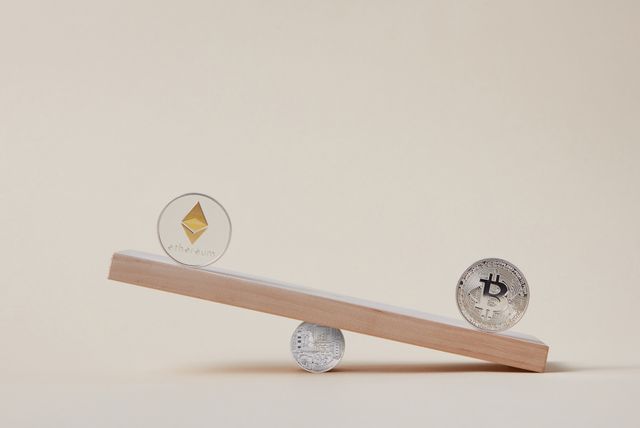
USDC vs. USDT: what’s the difference?
It’s totally normal to wonder how these two stablecoins differ, because USDC and USDT really do serve a similar function. However, saying they’re the same would be a mistake. Both aim to track the value of the dollar, even though they’re not issued by the same company.
In simple terms, USDC is usually associated with a more regulated and transparency-focused approach, while USDT stands out for its huge usage and presence in the market. If what you want is to understand which one to use, the answer depends more on your practical goal than on a “better” or “worse” label.
Which one fits what you want to do?
If there’s one thing we’ve been repeating in this chat, it’s that not all cryptos are good for the same thing. If your goal is to start with something well known, use a broad network, or move value without so much volatility, it makes more sense to think about the use case instead of the trend of the moment.
The idea is not to choose “the best” cryptocurrency, but the one that actually helps you do what you want to do. Buying because of the name or the hype usually ends up costing more than understanding the real use of the asset.
What’s available on B4bit
Now that you better understand what all this about cryptocurrencies, altcoins, stablecoins, and tokens means, I think you’re ready for the next step. If that’s the case, on B4bit you have these assets available, each one with a different role in the ecosystem:
- BTC: the original cryptocurrency. It has a limited supply, and many people see it as a way to store value long term, more than as money to spend every day.
- ETH: the network and the asset that support a large part of the ecosystem’s applications and tokens. It’s ideal for working with projects like smart contracts, decentralized applications, or getting a bit into the DeFi ecosystem.
- USDC: a dollar-linked stablecoin designed for stability and more predictable transfers. Very useful when you want to move money without all the volatility jumping around.
- USDT: a very widely used stablecoin in the market, also tied to the dollar and useful for operating with less volatility.
If you already understand the difference between a token, Bitcoin, altcoins, and stablecoins, the next step is to open your account and start with more clarity. On B4bit you can do it easily and with the assets you just learned about. It won’t take you more than 3 minutes, and we’re sure it’ll be one of the best decisions you make for your day to day.

Zelle Doesn’t Work in Mexico: Here’s What You Can Use Instead
If you have friends in the United States, you’ve surely heard of “Zelle”. The problem is that Zelle doesn’t work in Mexico…

What is Blockchain? The explanation nobody gave you in school
If you send money, receive a transfer, or have ever had to trust “the system” to make sure something arrives properly, this…

Freelancer in Mexico: How to Get Paid by Foreign Clients
You’ve just finished the project your client asked you to work on. You send over the files and the client tells you…