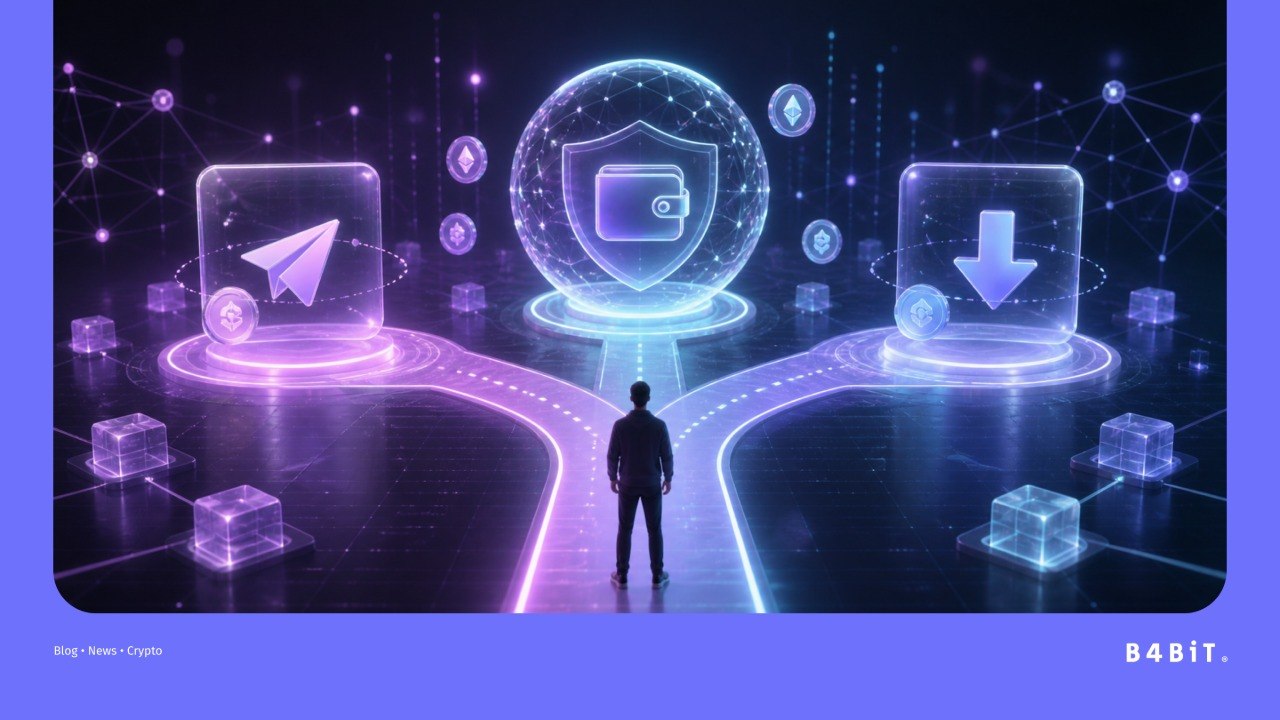
Which network should I choose to send, receive, or store my cryptocurrencies?
14 May 2026
Which network should I choose for my cryptocurrencies? It comes down to one question.
When you want to send or receive USDC, USDT, or other cryptocurrencies, many platforms ask you to choose a “network.” That detail is what will decide how your money travels and whether it will be properly received at its destination. Getting this concept clear is important if you want to avoid headaches.
The network is not just another technical detail. Think of it like driving down a highway and suddenly reaching two exits. Your choice will determine whether you get there faster, pay less, or make life harder depending on the route you take.
Keep in mind that choosing the wrong blockchain network can have consequences. Why? Because in crypto, making a simple mistake can sometimes mean the permanent and irreversible loss of your cryptocurrencies. So pay close attention here.

First, the basics: what is a network in crypto?
A cryptocurrency network is the system through which a crypto asset moves. Think of it as the route your money follows: depending on the network, a transfer can be faster, cheaper, or slower.
With cryptocurrencies like USDC or USDT, this becomes very clear, because they can move across several different networks. That is why, when you send them, the platform asks you to choose the exact network.
If you want a simple comparison, think of the same package being able to take different routes: the content does not change, but the trip does. In this case, the content is the crypto you want to send.
The question that solves everything: what do you want to do?
The answer to this question changes depending on the case: sending USDC to a family member is not the same as storing USDT for a few months, charging a client, or moving funds between platforms. And there is another detail many people overlook: the same coin can exist on several networks, but the recipient does not always accept all of them. It is like depositing money into a specific bank account: if you have the correct number, everything goes through; if you try to use the wrong one, the transaction does not happen.
For example: if your friend says “send me USDC through Polygon” and you send it through Ethereum, it is not that you sent “just another USDC.” You used a different network, and if the destination does not support it, the transfer may not show up as expected. In some cases, the crypto may even be lost forever. That is why you should always confirm the exact network before pressing confirm.
If you want to send or receive money quickly and cheaply (remittances, person-to-person payments)
When the priority is speed and a low fee, Polygon or Solana are the most convenient options for remittances, person-to-person payments, and frequent USDT or USDC transfers.

In practice, the Solana blockchain usually moves at very low costs, with public references placing transaction fees at fractions of a cent. Polygon also stays in a very low range, usually around cents or less during normal periods.
Put simply: if your family in the United States is sending you 500 dollars in USDC, Polygon or Solana are usually the smartest networks to use. That is because the cost of moving the USDC does not eat up a big chunk of the transfer.
On the other hand, if your family sends you Bitcoin, the transaction may take up to 30 minutes, and the transfer cost can be much higher. For small amounts, Bitcoin is one of the worst networks for remittances.
If you want to store value for the long term
If what you want is to store funds long term without touching them, Ethereum remains the reference network. It is one of the best-known, the most audited, and the one with the longest track record, so for anyone who values history and security over saving a few dollars on each move, it is still a very reasonable choice.
The idea here is not to make many transactions, but to use a network with a long track record and a strong technical reputation to hold funds calmly. The fee can be higher than on other networks, but when the amount is large or the plan is not to move it often, many people prefer to pay that difference.
It is also the option many experienced crypto users choose with Bitcoin (BTC). This is the first cryptocurrency and the best known of all, also called digital gold.

If you want to pay for everyday things (services, vendors, small transactions)
For everyday payments such as services, vendors, or small transactions, crypto can be a very practical tool if you choose the right network. Networks like Polygon or Solana have fees so low that moving small amounts still makes sense, because the fee does not eat up the payment.
So for day-to-day spending, the key is not whether you use crypto or not, but which network you use to move it.
If you want to receive payments from international clients (businesses and freelancers)
For freelancers and businesses, USDC and USDT on Polygon or Solana work very well when you receive frequent payments of medium size. If you already operate with cryptocurrencies like Ethereum or Bitcoin, or your industry uses them as a standard, it may also make sense to receive them there, especially if your flow is already built on that network.
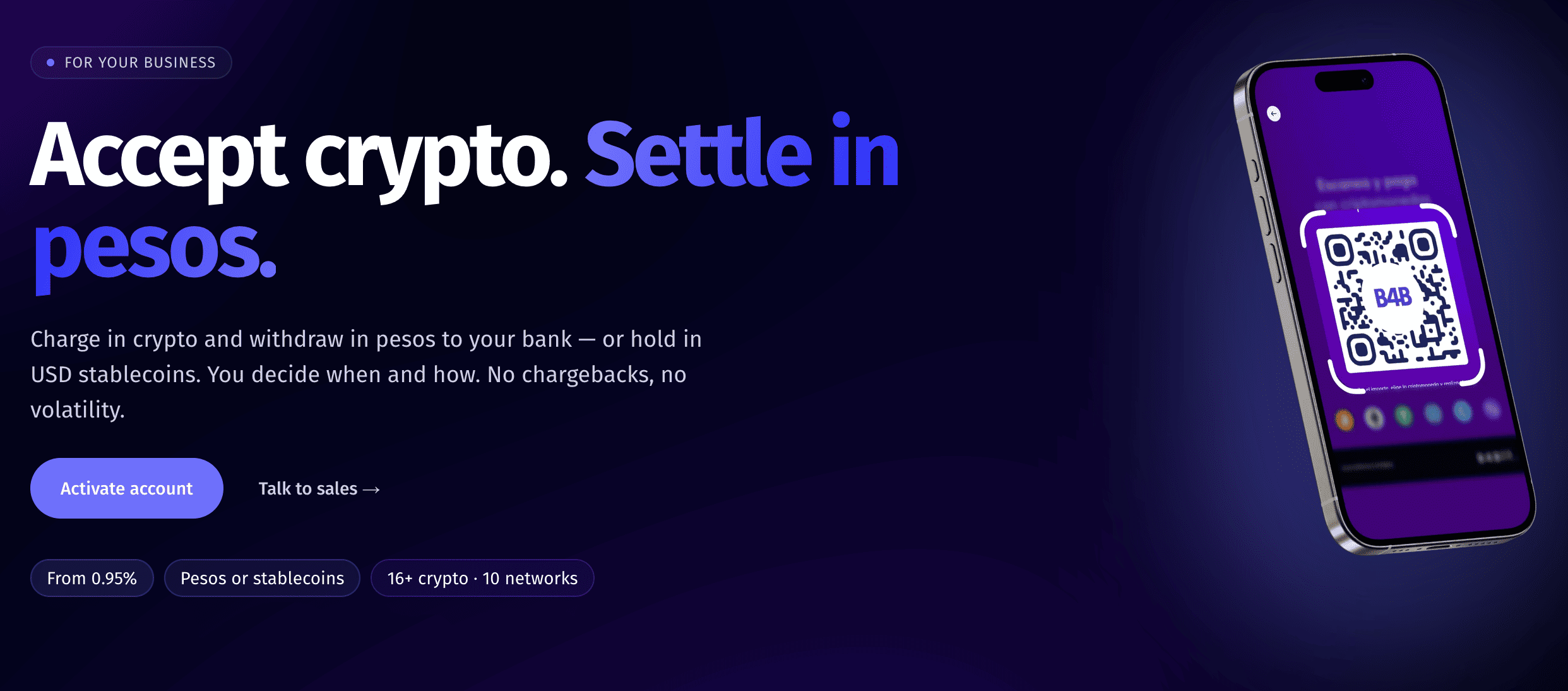
The advantage for a business is clear: the client pays in the way that works best for them, and then you convert or settle in pesos through the channel you use in your operation. In that context, B4bit Pay works as the bridge between the network your client prefers and settlement in pesos via SPEI.
The main networks you need to know (and nothing more)
If you move crypto often, these are the networks worth recognizing without getting lost. Each one has its own style: some prioritize security, others speed, and others low fees.
The mistake to avoid: not all networks are compatible with each other
Not all networks are compatible with each other. If you send USDC on Ethereum to an address that only accepts Polygon, you may complicate the transfer or not see it reflected as expected, so the safest rule is to always confirm the network before sending.
The good news is that this can be avoided in a minute: ask the recipient which network they accept and check twice before confirming. In practice, that simple step saves a lot of trouble.
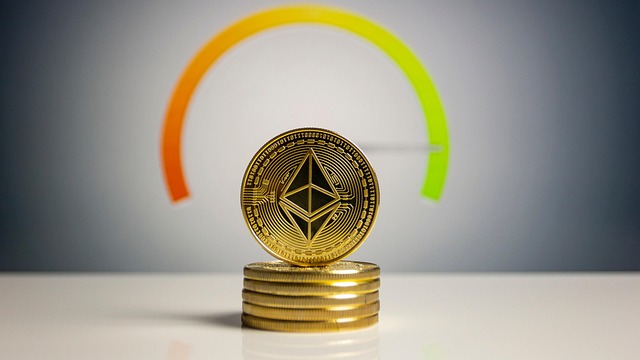
B4bit, what networks can you use?
In B4bit, you can use networks such as Ethereum, Polygon, Solana, and Tron, among others, and the platform shows the network fee in real time before you confirm the operation. That way, the user sees the cost before pressing the final button, with no unpleasant surprises.
Important notice
This article is educational. It is not an investment recommendation or financial advice. The cryptocurrency market involves risks, including the possible loss of capital. Before making any decision, consider your personal situation and, if needed, consult a financial advisor.

What is Blockchain? The explanation nobody gave you in school
If you send money, receive a transfer, or have ever had to trust “the system” to make sure something arrives properly, this…
How to Send and Receive Crypto Remittances Between USA and Mexico, Without Fees
For many Mexican families, receiving money from the United States, or anywhere else in the world, is part of the monthly budget.…
How to Buy Crypto with Debit or Credit Card: Bitcoin, USDC and More
If you already know how to shop online with your card, you already have almost everything you need to get started with…