What is a cryptocurrency and how its works?
4 May 2026
Surely you’ve seen Bitcoin and cryptocurrencies popping up more and more in the news, interviews, and those conversations where someone suddenly drops a “I actually get it.” Relax: you’re not late to the party, and you don’t need a finance master’s to understand this. Here I’ll explain it without giving you a headache or selling you smoke.
Don’t worry if you feel like you’re on another planet. Most people start the same way: hearing “crypto” everywhere in the news or the neighborhood WhatsApp group, but with no clear idea what the hell it’s for. Think of it like OXXO: you go, pay, and done, without knowing how the cashier works inside. Crypto is similar, but… more digital.
By the time you finish this article, you’ll know what a cryptocurrency is, how it works without complications, and what that thing is for. No crazy promises, just what you need so you don’t stay quiet next time you hear something about crypto.

What is a cryptocurrency? The no-tech explanation
Look, a cryptocurrency is digital money that lives on the internet and doesn’t need a bank to work. It’s like a peso that isn’t issued by the government, but by a shared network among users worldwide. CoinMarketCap defines it as: a digital asset that uses cryptography for security and operates on a decentralized blockchain. Sounds like ancient Hebrew, but don’t freak out—it’s easier than it seems.
Imagine it like a neighborhood IOU: everyone recognizes it and uses it to exchange without one boss controlling it. It was created to move value without expensive middlemen (among other uses), and today millions use it for payments, transfers, or just holding it. See? Not that hard. Let’s pick up the pace to see how that thing works, and if you have any doubts, don’t worry—we’re here to help.
It’s not magic: it’s math that works like SPEI
It might sound like pure math, but it’s simpler than it seems. Behind every transaction, there’s a system that verifies and records everything automatically, like the SPEI you use daily without knowing its internal code, but without Banamex as the only boss.

You don’t need to be an engineer to use it. Don’t you trust SPEI to get paid without understanding a “payment gateway”? The good thing is that in Mexico, under the Fintech Law and LFPIORPI, regulated platforms like B4bit apply KYC and strict safekeeping to minimize risks.
Why does it exist if we already have pesos and dollars?
Come on, you know full well that system is anything but perfect. You could say cryptocurrencies fix a bit of the traditional system’s mess. The peso devalues with inflation—in fact, Banxico said it exceeded the target range in February 2026, around 4% annually. In short, if before you could buy an ice cream with 20 pesos, now it doesn’t even cover one.
Plus, not everyone has access to a bank account. Here in Mexico, 76.5% has some financial product, but millions lack full access. And imagine sending money abroad in another life—do you know how many banks charge for that dollar transfer?? Imagine your family wants to send you money. Remittances of 1,000 USD via Banamex cost 15-17 USD + VAT (~350 MXN) or BBVA 30 USD (~600 MXN). That’s without counting the days they take with spreads. Crypto does it more directly and cheaply. With USDC in minutes for a 20 MXN fee, you have your remittance without the hassle. Normal fees hurt. The good news is crypto is more direct, and you don’t have to grease so many palms.
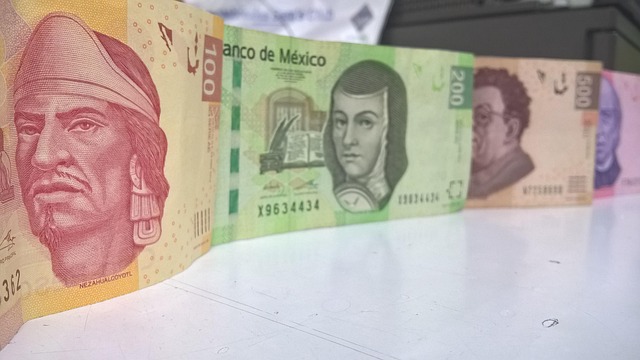
How cryptocurrencies work inside
The way cryptocurrencies work is simpler than you think. They go step by step: you send, the network checks it, confirms it, and records it forever. Ethereum, for example, takes a few minutes to confirm, while Solana is faster. Each with its thing.
The blockchain: the ledger no one can erase
As I was saying, the blockchain is an accounting book that’s written but not erased. What do you think? It’s a public and shared record, like the whole neighborhood noting in the same notebook who paid whom. No one can change what’s already written because everyone sees it. It’s like a Google Doc where everyone edits, but no one deletes.
No bank in the middle: what decentralized means
That the blockchain basically means no central boss deciding. It’s like paying your buddy directly for an OXXO without the bank sticking its hand in.
And it works super easy:
- You send the payment.
- The network validates it with math.
- It’s recorded. Done, bro.
It might take longer or shorter depending on the network you use. Ethereum (15 seconds), for example, is slower than Solana. But I assure you the slowest network is the one from the bank you use. Plus, in cases like B4bit, they use Fireblocks for secure custody and Kraken for operations, which adds extra protection without technical hassles—so drop the fear of getting robbed; no one’s planning the heist.

With how easy it is, why demonize crypto. It’s harder to order Rappi.
Types of cryptocurrencies: not all the same
Just like not all cars are the same—the Tsuru for the city, the pickup for the job—cryptocurrencies each have their utility. You’ll find the main ones here, from the original (which is Bitcoin) to stables like USDC that protect your money. So you can see which one makes sense in Mexico and if you have it ready in B4bit.
Remember each one serves something, and there are thousands. But yeah, some stand out more than others.
Bitcoin (BTC): the original and most known
Bitcoin was created by Satoshi Nakamoto in 2009 as peer-to-peer digital money. It serves for store of value and direct payments, without banks in between. It’s the queen because it was the pioneer and still handles the largest market share. Plus, it’s the movies’ favorite, though sometimes they play modern and mention Ethereum.

Ethereum (ETH): more than a currency
Ethereum isn’t just for paying: it’s like a workshop where anyone builds apps without asking permission. The cool thing is its smart contracts. They’re like an agreement that executes itself when everyone pays their part, no lawyers or fights, like an automatic SPEI but global. It opens the door to a ton of uses, beyond just transferring cash.
Stablecoins: USDC and USDT, the crypto that doesn’t move much
These are pegged to the dollar: 1 USDC = 1 USD, backed by real reserves that are audited. People use them to avoid the crazy swings of other crypto.
At B4bit we go heavy on USDC (SPEI deposit comes out as 1 USDC + 0.35% spread, all clear from the start, no surprises).
Altcoins: everything else
What can I say. There are thousands, bro: Litecoin for express payments, Ripple/XRP for sending money internationally without so much cost, Solana that flies in speed. Each with its vibe, but watch out: check well which one suits you before jumping in, or you’ll cry later.

What is a cryptocurrency for?
Like SPEI changed how you send money here in Mexico, crypto opens practical uses for everyday life. Three that hit you direct.
- Store value without depending on a bank: USDC lets you shield your pesos from inflation that won’t let up. Remember Banxico reported over 4% annual in February 2026.
- Send money anywhere without expensive middlemen: Remittances to family up north or getting paid freelance from gringos: straight to the point, without Western Union taking its cut. Mexico captures billions that way every year.
- Pay for goods and services (more and more): There are already businesses in Mexico that take it, in fact…
Is it safe to hold cryptocurrencies? Risks you should know
Here’s the real talk without filters, like a neighbor who doesn’t want you to lose money: crypto has real risks, but they can be managed if you use your head. Nothing is 100% bulletproof, but clarity saves you.
The real risks (volatility, scams, phishing)
First, volatility: BTC and ETH can go up or down 20% in a day (USDC no, because it’s pegged to the dollar, but the others hit hard).
Second, investment scams: if they promise you “fixed 20% monthly returns,” run because that doesn’t exist in real crypto.
Third, phishing: never, hear me well, never give your private key to anyone via WhatsApp or email. If they ask for data “to verify,” it’s a trap.

What B4bit does to protect you
We’re transparent because your money matters to us:
- Custody with Fireblocks: standard for big institutions, not amateurs.
- KYC: we verify your identity so only you control the account.
- LFPIORPI and Fintech Law compliance: we play by Mexican law, reporting what we must.
We’re not promising infallibility because it’s impossible; security is a daily process, not magic.
How to start: your first crypto on B4bit
If you can send a WhatsApp, you can do this in 3 minutes:
- Open your B4bit account.
- Deposit from your bank via SPEI (clear fee: 1 USDC + 0.35% spread).
- Buy USDC or whatever you like.
- Start in 3 minutes by clicking here. We’re here to watch your step.deepl+1

What Is a Wallet: From Your Phone Wallet to a Crypto Wallet
The word wallet probably sounds familiar already. You’ve seen it on your phone, in a payment app, or when adding a card…
Your Pocket Crypto Glossary: 10 Words You Need to Know
Hey, I know the internet’s full of endless glossaries with 80 words that’ll blow your mind. But today I’m bringing you the…
Bitcoin or USDC? Which one suits your pocket best based on your needs
If you are here, it is because you have surely heard about the world of cryptocurrencies and are wondering which option fits…