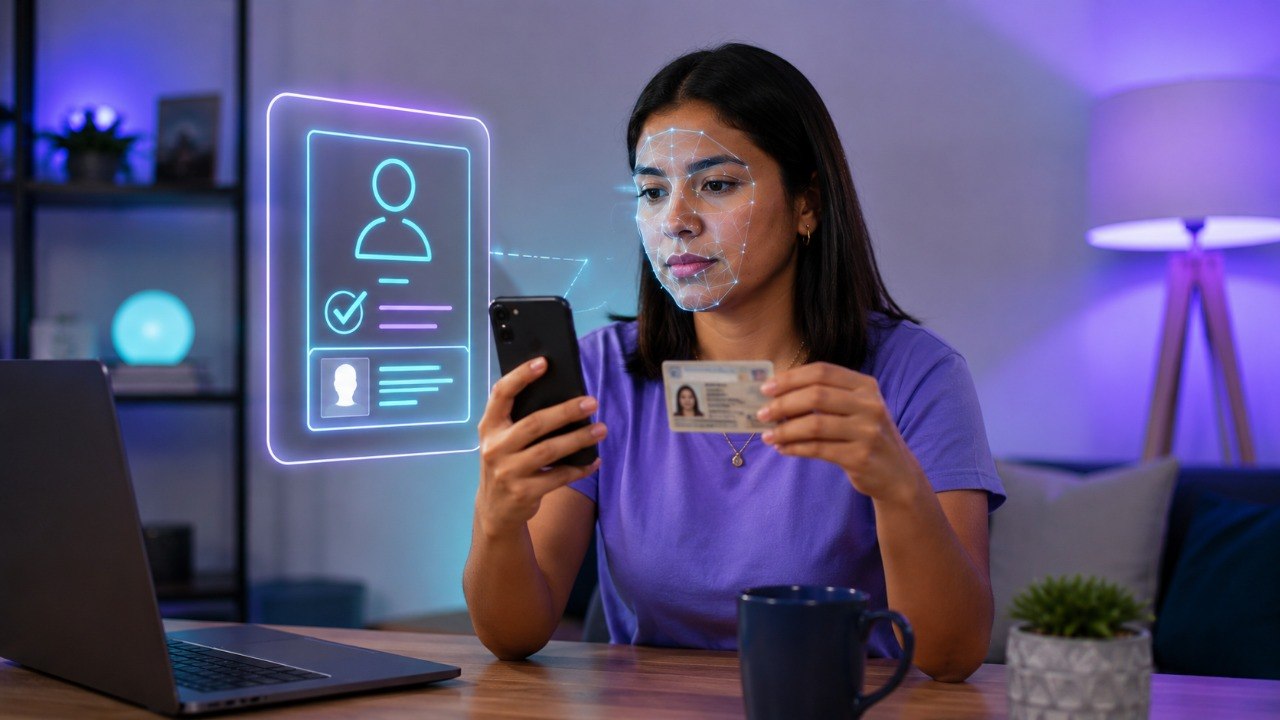
What Is KYC? Why They Ask for Your ID and Selfie When Opening a Crypto Account
9 Jun 2026
Opening a crypto account usually brings up the same old question: why do they ask for my ID, a selfie, and sometimes even proof of address? If that has happened to you, relax. It’s not you, it’s just the normal process for these checks.
Today, you’ll understand why it’s necessary, what it’s for, and what to expect when a platform asks for it in Mexico, without jargon or unnecessary detours.
KYC in one line
If you’ve ever tried to open a bank account, you’ve probably been asked for some details to confirm who you are. That’s called KYC, which stands for “Know Your Customer.” It’s the process financial platforms use to verify that you are who you say you are.
It’s not exclusive to crypto. Your bank, a financial app, and services like OXXO Presta can also ask for this kind of verification before letting you operate. Now you’ll understand why.
Why do they ask for this on a crypto platform?
When a crypto platform asks for KYC, it’s not trying to make things harder for no reason. What it’s doing is verifying your identity before letting you operate, and in Mexico that’s part of the obligations that help prevent money laundering and comply with the LFPIORPI and the related oversight from the CNBV.
Put more simply: if the platform asks for documents and a selfie, it’s doing what it needs to operate properly. And for you as a user, that’s a good sign, because it means you’re not entering just any app, but a service that follows rules and does a better job of protecting your money.
What happens if a platform does NOT ask for KYC?
When a crypto platform does not verify identity, you’re usually looking at a service with fewer entry controls. That may sound convenient at first, but let’s not kid ourselves: it leaves the door open to issues like identity theft or anonymous accounts moving money without clear traceability.
In Mexico, that matters even more because anti-money-laundering regulation starts with identifying the user and keeping evidence of the process. That’s why a platform operating without KYC may fall outside the standard expected from a serious financial service.
It’s not about scaring you, it’s about being straight with you. If they don’t ask for anything, ask yourself who answers when something goes wrong. On regulated platforms, verification is not an obstacle; it’s part of making sure your account has a name, a surname, and real backing.

What documents do they usually ask for in KYC?
To complete KYC, the platform will ask for documents. These documents are necessary for the main goal you already know: proving that you are who you say you are. Most commonly, they’ll ask for a valid government-issued ID, such as an INE or passport, a selfie, and sometimes even proof of address.
The ID is used to confirm who you are. The selfie helps make sure the real person in front of the camera matches the document. And if they ask for proof of address, it’s used to validate your address when needed.
And no, this isn’t some strange process or something exclusive to crypto. It’s very similar to what happens when you open an account in a financial app or a regulated service. They always ask for the basics, so the account is properly linked to you and not to someone trying to slip in using your data.

How long does KYC take?
KYC is usually not a long process. If you have everything ready and the photo comes out clearly, it will be quick. To give you an idea, on B4bit you can take just 5 minutes to complete verification. If any detail needs manual review, then it can take up to 24 hours, but that’s the exception, not the norm.
The idea here is not to make things complicated. You simply upload your ID, take the selfie, and follow the app’s instructions. If everything matches, you move forward without any major issue, just like when you sign up for any basic financial app.
Is it safe to share my data for KYC?
As long as we’re talking about a regulated platform with clear policies, the answer to whether it’s safe to share your data is YES, it is. In Mexico, the LFPDPPP requires measures to protect personal information, including keeping it secure and being transparent about how it’s used.
Put another way: it’s no different from giving your data to a bank or a financial app that uses your information to open your account. The key is not whether they ask for data, but who is asking for it, how they protect it, and whether they truly have the legal backing to do so.

Signs that a platform handles your data well
You already saw that the platform matters more than the data you hand over. Here are some clear signs — though not foolproof — that a platform is handling your data properly.
-
It has a visible and clear privacy notice.
-
It explains how it protects user information.
-
It mentions regulatory compliance in Mexico.
-
It gives you a channel to ask questions about your verification.
That doesn’t mean a platform is dangerous if it misses one of these points, but stay alert to these warning signs.
KYC at B4bit: how the process works step by step
Now that you know why they ask for KYC and what you need to complete it, here comes the practical part: how to do it on B4bit without getting lost. The idea is for the process to be fast and simple, like following an on-screen guide and moving forward step by step.
First, you download the B4bit app and create your account. Then you fill in your basic details, upload your valid INE or passport, and take a selfie to confirm it’s really you. If everything is clear from the start, verification moves quickly and most users usually complete it without any trouble.
This is like when you install an app for the first time. You simply follow the basic instructions and, before you know it, everything is ready. Keep in mind that if manual review is needed, it can take up to 24 hours, but normally it would take you 5 minutes. Now that you understand it all, what are you waiting for? Your crypto account is waiting for you.

What Is a Wallet: From Your Phone Wallet to a Crypto Wallet
The word wallet probably sounds familiar already. You’ve seen it on your phone, in a payment app, or when adding a card…
Freelancer in Mexico: How to Get Paid by Foreign Clients
You’ve just finished the project your client asked you to work on. You send over the files and the client tells you…

What Is Inflation and How Does It Affect Your Money in Mexico?
You leave the supermarket with the same grocery bag you had a year ago, but it holds fewer things. Or you get…